

What to Take for Menopause Anxiety: How It Impacts Mental Health
Menopausal anxiety can feel like your brain suddenly turned against you, leaving you checking the stove for the fifth time or replaying conversations on an endless loop.
You might think you’re losing it, but what you’re experiencing has a name and it has everything to do with the hormonal changes happening in your body right now.
Let’s walk through what’s actually happening in your body and brain, and more importantly, how an at-home blood test can help.
Key Takeaways
- Decreased estrogen drives menopause anxiety symptoms and obsessive compulsive disorder (OCD)
- Menopause anxiety occurs in around 60% of women, but it is manageable
- Treatment requires a holistic approach of lifestyle, therapy, and medical health professionals support
- Cognitive Behavioral Therapy (CBT) and medication are proven to aid in symptomatic relief
- At-home hormone blood testing empowers personalized care
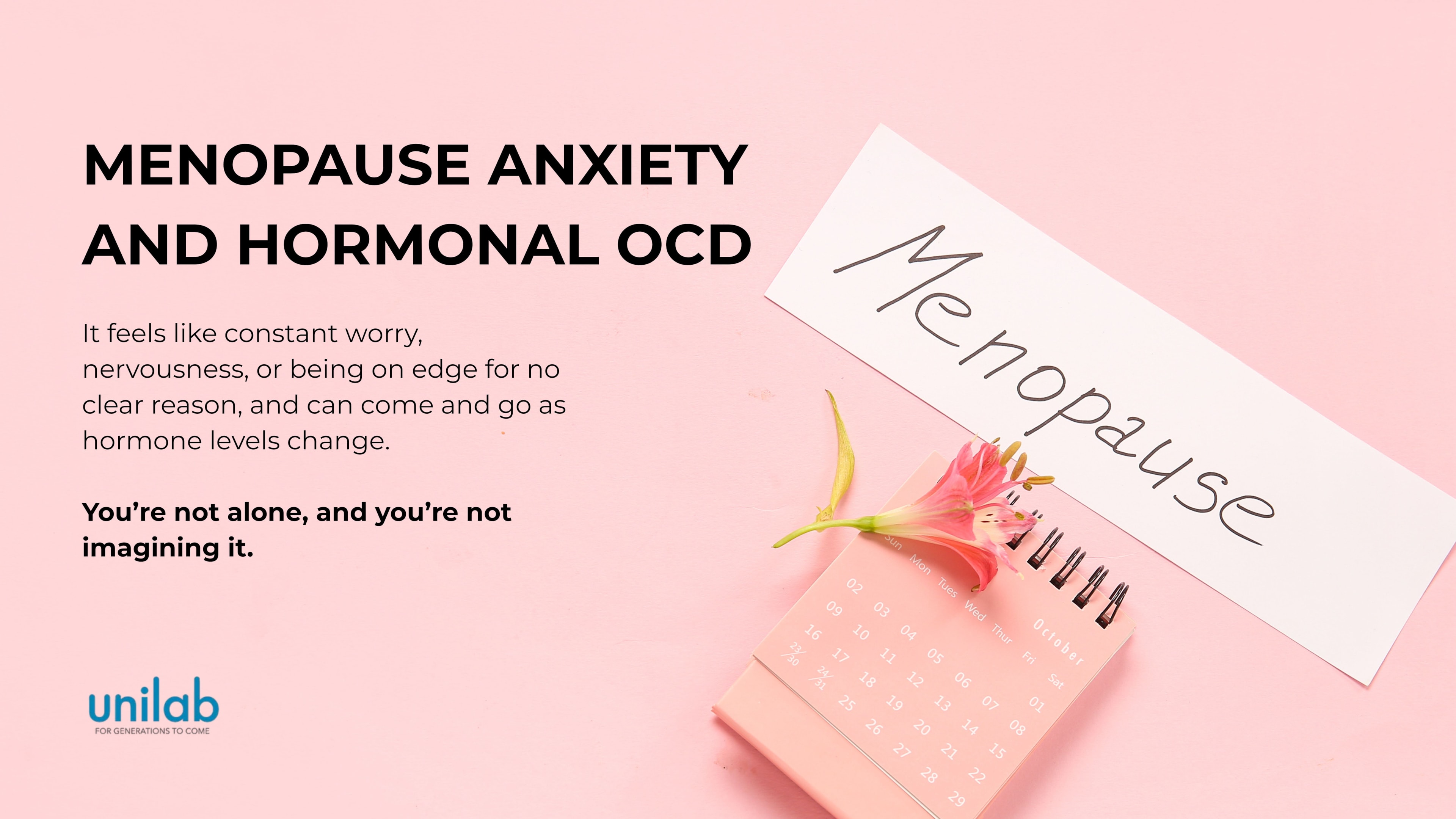
Understanding Menopause Anxiety and Hormonal OCD
Menopause anxiety doesn’t show up the same way for everyone.
Some women experience generalized anxiety disorder which include symptoms like constant worry and tension.
Mood disorders, such as depression, are also common during menopause and can contribute to emotional instability.
Others develop panic disorder with sudden, intense panic attacks that come out of nowhere.
Then there’s hormonal OCD, where anxiety manifests as intrusive thoughts and repetitive behaviors that can disrupt your daily life.
Perimenopausal depression often occurs alongside anxiety symptoms due to hormonal fluctuations during this transition.
Common Physical Symptoms
The physical symptoms can fool you into thinking something else is wrong:
- Chest pain and heart palpitations that send women to the ER
- Night sweats that drench your sheets and rob you of enough sleep
- Hot flashes that interrupt your day
- Shortness of breath that leaves you panicked
- Sleep disturbances, a common symptom during perimenopause and menopause, that compound anxiety
Psychological and Emotional Symptoms
The psychological symptoms are often felt the most:
- Brain fog that makes you forget words mid-sentence
- Mood swings that turn you into someone you don’t recognize
- Negative thought patterns that loop endlessly
- Depressive symptoms that drain your energy
- Feelings of anxiety that won’t let up
- Hormonal changes can also trigger negative feelings such as sadness, irritability, or emotional distress
The menopausal transition typically lasts four to eight years (4-8 years), though some women experience symptoms for longer.
Anxiety symptoms often peak during perimenopause when hormone levels fluctuate wildly before settling into their new, lower baseline.
According to an article by the National Library of Medicine, menopause-related anxiety affects 15-50% of women during this transition, highlighting how common and impactful these symptoms can be.
How Menopause Affects OCD
The connection between menopause and OCD lies in your brain chemistry. When your reproductive hormones shift, they bring your neurotransmitters and nervous system along for the ride.
The Role of Hormones
Estrogen and Serotonin
Estrogen does more than manage your menstrual cycle because this hormone directly affects serotonin activity in your brain. Serotonin regulates mood, controls anxiety, and plays a major role in OCD.
As estrogen levels decline during the menopausal transition, serotonin production drops too. Lower serotonin means your brain struggles to regulate mood and resist obsessive thinking.
Progesterone and Gamma-Aminobutyric Acid (GABA)
Progesterone produces a calming effect through GABA, your brain's primary inhibitory neurotransmitter that tells your nervous system to slow down and relax.
When progesterone levels fall, GABA production decreases. Without enough GABA, anxiety symptoms intensify, stress feels overwhelming, and intrusive thoughts gain power.
Brain Chemistry Changes
The fluctuation and decline of these hormones create dysregulation in both serotonin and dopamine systems.
- Your brain's stress response goes haywire
- Emotional stability becomes harder to maintain
- Mood fluctuations swing wider and faster than before
- Mental health symptoms can emerge or worsen
Key Contributing Factors For Hormonal OCD
Heightened Anxiety
Perimenopause marks a high-risk period for mental health symptoms. This heightened state acts as a catalyst for obsessive thinking and compulsive behaviors.
When you feel anxious all the time, your brain looks for ways to regain control.
Sometimes that shows up as:
- Checking behaviors like verifying locks or appliances repeatedly
- Repetitive rituals that provide temporary relief
- Obsessive thoughts that you can't shake
- Compulsive actions that interfere with daily life
Sleep Disruption
Sleep disruption compounds everything else. Insomnia, night sweats, and crushing fatigue define common symptoms of the menopausal transition.
Sleep deprivation weakens your brain's ability to resist compulsions, and an exhausted brain has fewer resources to fight back against obsessive thoughts.
Sleep disorders and anxiety create a vicious cycle where each one makes the other worse.
Life Stress
Life stress piles on during midlife:
- Career changes and workplace transitions
- Aging parents who need care
- Children leaving home
- Relationship shifts and changes
- Financial pressures
Women with a history of postnatal depression may be more vulnerable to mood and anxiety issues during menopause.
These life transitions happen simultaneously with hormonal changes. The combination amplifies your vulnerability to anxiety or depression and can trigger or worsen hormonal OCD.
Emotional Overload
Emotional overload becomes the new normal because the mood swings and irritability that accompany menopausal symptoms make it harder to manage obsessive thoughts.
When you're already dealing with depressive symptoms, hot flushes, and feelings of anxiety, you have less emotional bandwidth to cope with OCD.
Even though these symptoms feel overwhelmingly doom and gloom, they're not a life sentence. There is help available and leading experts like Dr. Mary Claire Haver are shedding light on ways to manage and copy during these transitional phases. With the right adjustments and professional help your can see improvement. We'll dive into practical solutions later in the blog.
Menopause and Brain Fog
If you’ve ever forgotten why you walked into a room or struggled to find the right word to fit in a sentence, you’re definitely not alone.
This is a symptom of brain fog and the Mayo Clinic reports that brain fog affects up to 60% of women during the menopausal transition.
These changes often show up as memory lapses, difficulty focusing, or feeling mentally "off."
The main reason is shifting hormones, especially with the drop in estrogen. This is because estrogen plays a key role in brain function.
It assists with memory, focus, and mental clarity. As these levels naturally decline, it can impact the clarity of your thoughts.
While frustrating, brain fog is a common and very normal part of menopause. Knowing it’s hormone-related can help you manage it with more patience.
The good news is that for most women, these symptoms do improve on their own as the body adapts to the decrease in estrogen production.
Treatment for Menopause Anxiety
Managing menopause anxiety and hormonal OCD requires a comprehensive approach.
It means addressing both physiological and psychological symptoms through a combination of lifestyle changes, therapy, and medical interventions (if needed).
When it comes to feeling your best, there’s rarely just one single answer- but the good news is that there are many options to explore. Every woman’s journey is different, so it’s about discovering what feels right for you. Here are some of the treatments that can help ease menopause anxiety.
Medical and Therapeutic Interventions
Cognitive Behavioral Therapy
Cognitive behavioral therapy remains the gold standard for treating anxiety disorder and OCD.
Exposure and Response Prevention (ERP), a specific type of CBT, teaches you to face obsessive thoughts without performing compulsions.
This therapy works during menopause just as well as it does at any other life stage.
Medication Options
Medication offers relief for many women struggling with anxiety symptoms and OCD:
- SSRIs (selective serotonin re-uptake inhibitors) help restore serotonin levels in the brain
- These medications treat both anxiety and OCD effectively
- Anti-anxiety medications may provide short-term relief
- Medication works best when combined with therapy
Speak to your healthcare professional to assess what the right options are for you. Don’t be afraid to get a second opinion if you feel unheard or invalidated.
Hormone Replacement Therapy
This has been a game changer for many women. Hormone replacement therapy (HRT) stabilizes hormone levels, and this can reduce anxiety for some menopausal women.
HRT replaces the estrogen and sometimes progesterone your body no longer produces in adequate amounts. This results in:
- Improved mood swings and emotional symptoms
- Improved sleep disturbances and night sweats
- Better overall mental well-being
- Less physical symptoms like hot flashes
Talk to your health professional about whether HRT will be an option for you. You will need to consider your personal risk factor profile which requires weighing potential benefits against risks specific to your health history.
Hormone Testing and Monitoring
Understanding your current hormone levels through testing can provide valuable insight into what's happening in your body.
Our comprehensive at home hormone testing kit for fatigue and our Unilab Health Create Your Own Testing Kit can help you and your healthcare provider make informed decisions about treatment options.
We believe in testing to gain understanding around the root cause in conjunction with professionals who understand the intersection of hormonal changes and mental health.

Lifestyle Changes and Self-Care
Prioritize Sleep
- Create a consistent bedtime routine that signals your brain it's time to wind down
- Keep your bedroom cool to combat night sweats
- Avoid screens for an hour before bed
- Use blackout curtains and a white noise machine to minimize sleep issues
- Aim for enough sleep every night, typically seven to nine hours
Start off slowly with one item at a time. You can gradually increase your sleep quality over a period of 3-6 months. This will mean results last longer, and the approach becomes more sustainable.
Incorporate Movement
- Walking clears your head and gets you outside
- Yoga combines movement with breathing techniques
- Swimming provides low-impact exercise
- Dancing lifts your mood naturally
Choose activities that feel replenishing rather than draining can help menopause symptoms lessen gradually over time. Exercise doesn't have to mean intense workouts because gentle, consistent movement often helps more than sporadic intensity.
Manage Stress
- Breathing techniques activate your parasympathetic nervous system and turn down the anxiety response
- Try box breathing by inhaling for four counts, holding for four, exhaling for four, and holding for four
- Mindfulness techniques helps you stay rooted in the present moment
- Journaling gives obsessive thoughts somewhere to go besides round and round in your head
- Stress management becomes crucial during the menopausal transition
These are tools you can use at different times across your day. Implementing them will help you feel more in control of your symptoms and offer in the moment stress relief.
Focus on Nutrition
- Omega-3 fatty acids help brain function and mood regulation
- B vitamins support energy and nervous system health
- Magnesium aids sleep and reduces feelings of anxiety
- A healthy diet won't cure menopause anxiety, but poor nutrition can make everything worse
Improving your diet by following the Mediterranean diet may help alleviate anxiety symptoms during menopause, as it emphasizes nutrient-rich foods that support overall health.
Seek Support
- Connect with friends going through perimenopause and menopause
- Join online or in-person support groups for women experiencing the menopausal transition
- Talk to family members about what you're going through
- Work with a therapist who specializes in women's mental health
Strong social support networks can improve emotional wellbeing during menopause and help manage anxiety, making it easier to navigate this challenging phase.
Isolation makes anxiety and depression worse, but sharing your experience reduces shame and helps you feel less alone.

How Long Does Menopause Anxiety Last?
The honest answer is that it varies widely from person to person.
For most women, anxiety symptoms peak during perimenopause when hormone fluctuations swing wildest.
This phase typically lasts four to eight years (4-8 years) before menstruation stops completely. We know the panic sets in around those numbers, but a helpful truth is that symptoms vary across this period and with the right lifestyle changes and if needed, medication treatments, you can regain your joy for life.
The great news is that once you reach postmenopause, hormone levels stabilize at their new lower baseline.
Some postmenopausal women find that their anxiety symptoms improve significantly once hormone levels stop fluctuating. Others continue experiencing anxiety that requires ongoing management.
The duration depends on multiple contributing factors:
- Your baseline mental health before menopause
- Life stress and daily life circumstances
- Sleep quality and whether you get enough sleep
- Whether you pursue medical treatment
- Lifestyle factors like diet and exercise
- Support systems and stress management techniques
The good news is you don’t have to wait it out. Treatment options exist that can improve your quality of life right now, not years from now.
Techniques such as mindfulness practices, hormone therapy, and lifestyle changes are effective for reducing anxiety during menopause.
Understanding your body’s specific hormone patterns can help predict and manage symptoms more effectively. Unilab's at-home thyroid testing provides important information for thyroid issues, which often overlap with menopausal symptoms that may worsen anxiety.

Get Comprehensive Testing
Consider comprehensive testing to understand exactly what's happening with your hormones.
Ovarian reserve testing measures reproductive hormone levels and provides concrete data about where you are in the menopausal transition. Use our Unilab Health Create Your Own panel kit to track targeted hormonal changes.
Don't minimize what you're going through or try to tough it out alone. The emotional aspects of menopause deserve the same attention and treatment as other menopause symptoms like hot flashes and night sweats.
You're Not Alone
You might feel like nobody understands, especially if you're experiencing hormonal OCD alongside other menopausal symptoms. But thousands of women walk this same path. The combination of hormonal changes, anxiety disorder, and obsessive thoughts isn't rare, it just rarely gets discussed.
Summary: Moving Forward with Menopause Anxiety
Managing menopause anxiety takes patience. What works might change as your hormone levels shift. The lifestyle factors that help today might need adjustment next month, and that’s normal during the menopause transition.
Consider working with healthcare providers who offer comprehensive approaches. At-home health testing makes it easier to monitor hormone levels and other health markers without multiple office visits.
The path through menopause anxiety looks different for everyone. Being present with your own process, seeking professional guidance, and recognizing your body's unique needs is the greatest formula for a successful transition.
Unilab Health At-Home Blood Testing
If you want a clearer picture of your hormonal health, then we are right here to help you. At Unilab Health we offer effective and painless at-home blood testing kits for women.
Did You Know! Menopause Anxiety and OCD Facts
Prevalence of Menopause Anxiety
Menopause-related anxiety affects 15-50% of people during the menopausal transition.
Lifestyle Support
Lifestyle factors such as a healthy diet, regular exercise, and stress management can alleviate anxiety symptoms during menopause.
Herbal Remedies
Ashwagandha is a herbal remedy that may help reduce anxiety symptoms during menopause.
Magnesium Benefits
Magnesium supplements can lower cortisol levels and reduce anxiety during menopause.
Therapy Options
Cognitive Behavioral Therapy (CBT) is an effective treatment for managing anxiety during menopause.
Hormone Replacement Therapy
HRT can reduce mood swings and emotional symptoms linked to menopausal anxiety.