

TRT Before After Results: What to Expect from Testosterone Replacement Therapy
If you have been feeling unlike yourself lately, struggling with low energy, stubborn weight gain, or a fading sex drive, you are not alone.
Many men quietly experience symptoms of low testosterone levels and wonder whether testosterone replacement therapy (TRT) could truly make a difference.
Let us dive into this subject and help you understand what TRT before after results really look like, how the changes unfold over time, and how to approach this journey safely and confidently.

Key Takeaways
- TRT helps restore healthy testosterone levels to improve energy, libido, focus, and overall vitality.
- Low testosterone symptoms often develop gradually and should be confirmed through proper blood tests.
- Mental and energy improvements can begin within weeks, while physical changes typically take several months.
- Strength training, good nutrition, and healthy lifestyle habits significantly enhance TRT results.
- Regular monitoring and blood work are essential to maintain safe and balanced hormone levels.
- Testing your testosterone levels is the first step toward creating an informed and effective treatment plan.
What Is TRT?
Testosterone replacement therapy (TRT) is a medical treatment designed to restore testosterone levels in men whose hormone levels have dropped below a healthy range.
Testosterone is the primary male sex hormone responsible for muscle tone, bone density, sexual desire, mood stability, and overall vitality.
When testosterone levels decline, the effects ripple through the entire body.
Low testosterone levels can happen due to age, chronic stress, medical conditions, sleep apnea, certain medications, or lifestyle factors. While natural testosterone production decreases gradually with age, some men experience a more significant drop that affects their daily life.
Testosterone replacement therapy works by introducing bioidentical testosterone into the body through injections, gels, patches, or pellets. Bioidentical testosterone is chemically identical to the hormone your body naturally produces, which helps support hormone optimization in a controlled and medically supervised way. [Source]
For many men, starting TRT is not about chasing extreme physical changes. It is about restoring balance, reclaiming focus, improving mood, and feeling healthy again.
Why Would You Need Testosterone Replacement Therapy? Recognizing the Symptoms
Low testosterone does not always show up dramatically.
More often, the signs develop slowly over the past year or even longer. Many men initially blame stress, getting older, poor sleep, or a demanding schedule. However, when these symptoms persist and begin affecting your relationships, performance, or confidence, it is worth taking a closer look.
It is also important to understand that this is not only about individual aging. Over the last few decades, studies have shown a steady decline in testosterone levels across multiple age groups, including younger men. Many experts believe modern lifestyle and environmental factors are contributing to this shift. [Source]
Dr. Michael Aziz, author of The Ageless Revolution and an anti-aging internist and regenerative physician specialist at Lenox Hill Hospital in New York City, has spoken about this broader trend. He explains that testosterone levels are dropping in American men across all age groups, not just older individuals. According to Dr. Aziz, environmental exposure, ultra-processed foods, excess alcohol use, smoking, pesticides, and dietary changes are likely contributing factors influencing hormone levels today.
Increased stress, poor sleep quality, reduced physical activity, and diets lacking essential nutrients and healthy fats may also interfere with natural testosterone production.
This broader context matters. If you are experiencing symptoms, it may not simply be “just getting older.” It may be a sign that your body’s hormone balance has shifted in a way that deserves attention.
Common symptoms of low testosterone include:
- Persistent low energy and fatigue
- Mood swings, irritability, or depression
- Anxiety and reduced confidence
- Brain fog and poor focus
- Decreased libido and erectile function concerns
- Weight gain, particularly increased body fat around the abdomen
- Loss of muscle tone and difficulty building strength
- Reduced motivation and drive
- Poor sleep quality
- Reduced mental clarity and challenges with memory
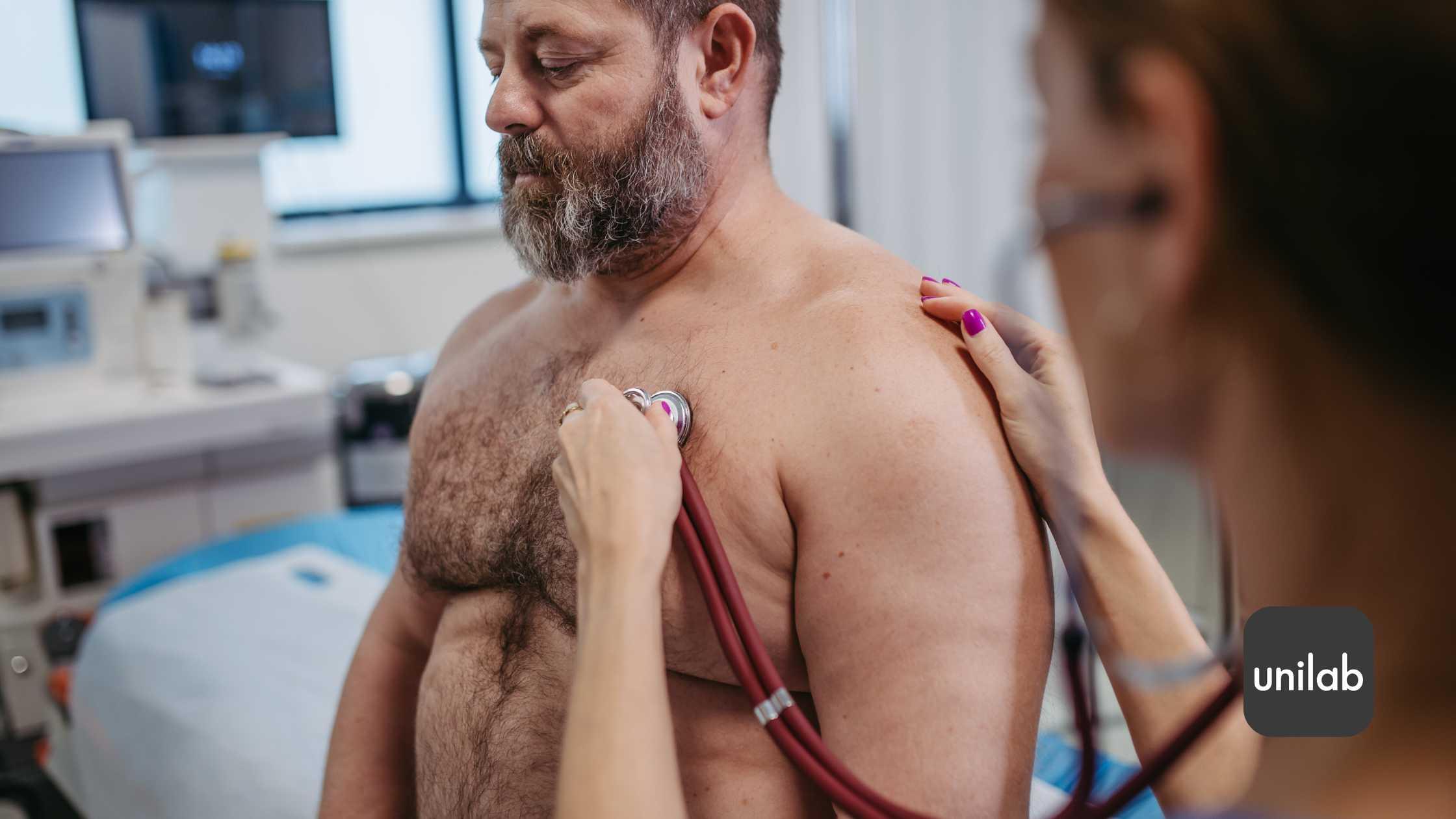
If you recognize yourself in these symptoms, the first step is not to assume or self-diagnose. It is to confirm your health status through proper blood work and blood tests under the guidance of a doctor. Objective data makes all the difference when creating a thoughtful, personalized treatment plan that supports both your physical health and overall vitality.
How Does TRT Work?
Testosterone replacement therapy works by supplementing low hormone levels with medically prescribed testosterone. The goal is not to create supraphysiological levels but to bring testosterone levels back into a healthy range for your age and health profile.
When you begin TRT, the therapy helps:
- Restore healthy hormone levels
- Support natural body composition changes
- Improve energy levels
- Enhance libido and sexual desire
- Improve mental clarity and focus
- Support muscle growth and strength
However, TRT does suppress natural testosterone production. This is an important point that patients must understand.
Once you begin TRT, your body reduces its own natural testosterone production, which is why proper supervision and regular monitoring are essential. [Source]
A doctor will evaluate your blood work, overall health, and symptoms before recommending a dosage.
Ongoing blood tests ensure that hormone levels remain balanced and that potential side effects are identified early.
TRT is not a shortcut. It is a structured therapy that requires commitment, monitoring, and lifestyle modifications to achieve positive changes.
Typical TRT Before and After Results Timeline
One of the biggest misunderstandings about TRT before after transformations is timing. Results from TRT are not instant. They unfold over a period of 12 months or more. Patience is part of the process.
Weeks 1 to 4: Mental Clarity and Energy Shifts
For many men, the first noticeable changes are internal rather than physical.
Energy and Mood
- Increased energy, reduced fatigue, improved motivation, and better sleep quality are often the earliest benefits.
- Many men notice they wake up feeling more rested.
- Afternoon crashes may lessen, and low energy begins to lift. Mood often stabilizes, reducing irritability and mild depression symptoms.
Sexual Desire
- Sexual desire may begin to return.
- Morning erections can increase, and libido often improves.
- Erectile function may also strengthen, although this varies by individual.
Metabolic Changes
- Research suggests improved insulin sensitivity can occur within days to weeks.
- While you may not see immediate weight loss, your body begins shifting toward healthier metabolic function.
- At this stage, men notice subtle yet meaningful positive changes. It may not be dramatic externally, but internally, it can feel life-changing. [Source]
Weeks 5 to 12: Physical Changes Begin
As hormone levels stabilize, more visible progress begins.
Libido and Sexual Health
- Sexual desire and function continue to improve and often plateau around six weeks.
- Many men report a stronger sex drive and improved erectile function. [Source]
Body Composition
- Reduced belly fat and increased lean muscle mass begin to appear, particularly when TRT is paired with strength training and a healthy diet.
- More muscle tone becomes visible.
- Body composition shifts from increased body fat toward more muscle tone and improved fat distribution.
Cognition and Mental Health
- Brain fog lifts further, and mental clarity improves.
- Focus sharpens. Many men report improved memory and better work performance.
- Anxiety and mood swings may decrease as hormone levels stabilize.
When men search for before and after TRT photos online, they often see dramatic TRT transformation stories. While photos can be inspiring, remember that consistent lifestyle modifications play a major role.

Months 3 to 6 and Beyond: Peak Benefits
This is where long-term changes become more pronounced.
Muscle and Strength
- Significant improvements in lean muscle mass and strength occur.
- Research shows muscle strength can increase by 10 to 13 percent in many men on therapy, especially when combined with resistance training. [Source]
Weight and Fat Loss
- Reduction in body fat becomes more visible, particularly in the abdominal region.
- Visceral fat decreases.
- The combination of hormone optimization, nutrition, and strength training supports healthy weight management.
Bone Density
- Bone density increases over time, which is critical for long-term health and the prevention of fractures as men age.
Cardiovascular Markers
- Improved lipid profiles and reduced inflammation may occur, contributing to better cardiovascular health.
This stage is where many men feel they have truly reclaimed their body and life. Energy levels are steady, motivation returns, and overall vitality improves.
Before vs After: Key Physical and Mental Changes
When comparing TRT before and after experiences, the contrast can be profound.
Body Composition
- Before TRT, many men struggle with increased body fat, particularly around the abdomen.
- Muscle tone declines despite effort.
- After consistent therapy and strength training, body composition improves, with more muscle tone and reduced visceral fat.
Energy and Vitality
- Chronic fatigue, low energy, and poor sleep quality shift toward consistent energy and improved sleep.
- Men often describe feeling rejuvenated.
Mental Health
- Irritability, depression, and anxiety symptoms often reduce.
- Improved mental clarity, focus, and memory support better work and relationship outcomes.
Physical Appearance
- Some men notice improved skin texture, reduced puffiness, and thicker facial hair growth.
- Weight stabilizes. Muscle tone becomes more defined.
While before and after TRT photos can show physical differences, the internal changes often make all the difference.

Factors Affecting Results
Not all TRT transformation stories are identical. Several factors influence outcomes. [Source]
Lifestyle
- The most dramatic TRT before after results occur when therapy is paired with strength training, proper nutrition, and healthy fats in the diet. Lifestyle modifications amplify results.
- A sedentary lifestyle limits progress.
Dosage and Monitoring
- Proper doctor supervised dosage is critical.
- A dose that is too low may not relieve symptoms.
- Too high a dose can increase the risk of side effects.
- Regular monitoring through blood tests and blood work ensures safe hormone levels.
Age
- While men of all ages may benefit, men over 50 often report the most significant improvements.
- That said, younger age patients with medically confirmed low testosterone can also experience positive changes.
Health Status
- Underlying health conditions, sleep apnea, metabolic issues, and overall health influence results.
- An initial consultation with a qualified doctor helps determine suitability.
Potential Side Effects
Like any medical treatment, testosterone replacement therapy has potential side effects. Being informed supports safe progress. [Source]
- Acne and oily skin as hormone levels adjust
- Fluid retention, causing mild swelling
- Increased red blood cell count requiring regular monitoring
- Suppression of natural testosterone production
- Reduced sperm production affecting fertility
Regular monitoring and open communication with your doctor minimizes risks. Responsible therapy prioritizes health and long-term safety.
How Unilab Can Help: Total Testosterone Blood Test
Before starting TRT, you need clarity. Guesswork is not a strategy.
Our Unilab Total Testosterone Test offers a convenient way to assess your testosterone levels accurately. This simple blood test provides insight into whether low testosterone levels are contributing to your symptoms.
With reliable blood work, you and your doctor can:
- Evaluate your hormone levels
- Understand your health status
- Determine whether you should begin TRT
- Create a personalized treatment plan
- Monitor progress with regular monitoring
Whether you are experiencing low energy, weight gain, mood swings, reduced libido, or brain fog, objective data is empowering. Knowing your numbers helps you make confident decisions about therapy.
If you are considering starting TRT, the first step is testing. Our Unilab Total Testosterone Test gives you the information you need to move forward responsibly, and the best part is you can buy it online and do the test at home.

Conclusion
Testosterone replacement therapy can be life changing for men with clinically low testosterone levels. The TRT before after journey is not about instant results or unrealistic expectations.
It is about steady progress, hormone optimization, improved energy, better mental health, stronger libido, and a return to overall vitality. When guided by proper blood tests, a qualified doctor, regular monitoring, and healthy lifestyle modifications, TRT can support positive changes in body composition, muscle tone, weight management, and mental clarity.
Most men notice meaningful improvements over 12 months, with benefits that extend far beyond appearance.
Take the First Step Toward Feeling Like Yourself Again
If you have been struggling with symptoms of low testosterone, do not ignore them. Understanding your hormone levels is the foundation of effective treatment. Order the Unilab Total Testosterone Test today and take control of your health with clarity and confidence. Your progress starts with knowledge.
Frequently Asked Questions About TRT Transformations
Can I improve my testosterone levels naturally before committing to TRT if I have low testosterone?
Yes, in some cases lifestyle changes can help support natural testosterone production before starting TRT. A well balanced diet rich in zinc, vitamin D, and healthy fats, along with regular strength training and high intensity interval training, may naturally elevate testosterone levels. Avoiding excessive alcohol and smoking can also improve overall hormone health and make any future treatment more effective.
How do doctors determine whether starting TRT is appropriate for my hormone levels?
The safest way to begin TRT is through a structured process that includes an initial consultation and baseline blood tests. A doctor evaluates both your symptoms and lab results to determine whether low testosterone is truly the cause. Treatment decisions are based on your overall health status, not just a single lab number.
What happens if my hormone levels become too high during TRT?
If hormone levels rise above the optimal range, your doctor may adjust your dosage based on follow up blood tests. Elevated levels can increase risks such as higher red blood cell count or changes in PSA, which is why regular monitoring is essential. The effectiveness of TRT is measured by both symptom improvement and balanced lab results.
Will TRT affect fertility if I plan to have children in the future?
TRT can suppress natural testosterone production and reduce sperm production, which may impact fertility. In many cases, this effect is reversible after discontinuing therapy, but it should be discussed with your doctor before starting TRT. Men who wish to preserve fertility may need alternative treatment strategies.
How can I reduce potential side effects like mood swings or weight changes while on TRT?
Engaging in regular exercise can help manage potential TRT side effects such as weight gain and fluid retention. Routine follow ups with your healthcare provider allow early adjustments if mood swings or other concerns arise. Supporting your body with proper nutrition and consistent sleep also plays an important role in maintaining stable hormone levels and overall health.