

Can Vitamin D Deficiency Cause Infertility? Understanding the Connection
You’ve tracked your cycles, timed intercourse perfectly and done everything by the book.
But month after month you see another negative pregnancy test. It’s devastating, and it can feel like a hopeless cycle.
One often overlooked factor could be vitamin D. Research shows over 40% of women of reproductive age are deficient in vitamin D and studies suggest deficiency may be linked to reduced fertility.
Low vitamin D alone doesn’t cause infertility but optimizing your levels may support your overall reproductive health, and it’s an easy fix to test and address.
[Source]
Key Summary
- Vitamin D deficiency affects fertility by influencing egg quality, ovulation, and implantation.
- Optimal levels (40–50 ng/mL) support hormonal balance, regular cycles, and improve conception chances. [source]
- Up to 32-42% of women of reproductive age are deficient- especially those with darker skin, higher body weight, or limited sun exposure. [source]
- Vitamin D deficiency is associated with an increased risk of infertility and other health conditions, including bone disorders, cardiovascular disease, autoimmune diseases, and certain cancers.
- Vitamin D repletion may improve conception and pregnancy rates, particularly in women undergoing IVF, with studies showing higher odds of clinical pregnancy after supplementation. [source]
- Begin supplementation 3–6 months before trying to conceive for the best fertility outcomes. [source]
Unilab Health’s Ovarian Reserve Panel, PCOS and Create Your Own Panel blood testing kits offer comprehensive at-home testing. All panels are FDA approved, validated, and performed in-house by our dedicated Unilab Health lab staff.
Can Vitamin D Deficiency Cause Infertility in Women?
It's not as simple as a yes or a no- it is however known to be a contributing factor. Vitamin D deficiency may be a cause of infertility in multiple ways.
On a cellular level vitamin D is a fat soluble steroid hormone that behaves more like a hormone across important receptors throughout your reproductive system such as: ovaries, uterus, endometrial lining. It assists in cell to cell communication. When your vitamin D levels are too low it can affect ovulation, implantation and hormone balance making it harder to get pregnant.
Research shows that women with adequate serum vitamin D levels have better assisted reproductive treatment outcomes. They also experience more regular ovulation and healthier menstrual cycles.
A systematic review confirmed the role of vitamin D in female fertility, showing that women with sufficient vitamin D levels have improved clinical outcomes, including higher clinical pregnancy rates, compared to those with lower serum vitamin D levels.
[Source]
Did You Know? Vitamin D Facts
About 50% of the population has vitamin D insufficiency.
Patients with endometriosis often have a deficiency in vitamin D.
Insufficient vitamin D levels, even if not severely deficient, can negatively impact fertility and reproductive outcomes.
Vitamin D supplementation significantly increases the clinical pregnancy rate in infertile women compared to control groups.
Vitamin D is suggested as a potential factor in the development and progression of endometriosis due to its anti-inflammatory and immunomodulatory properties.
Vitamin D status is inversely associated with testosterone levels in women with PCOS.
[Source]
How Low Vitamin D Impacts Female Fertility
Egg Quality Decline
All your eggs require vitamin D to mature properly and this is why deficiency can lead to poor egg quality and lower fertilization rates.
The follicular fluid surrounding your developing eggs contains vitamin D. When serum vitamin D, the concentration of vitamin D circulating in the blood, levels drop, follicular fluid levels also decline, directly impacting egg development.
More simply said, vitamin D is essential for your eggs to grow and develop properly, so low levels can make eggs weaker and harder to fertilize.
While vitamin D status may not directly affect ovarian stimulation parameters during IVF, it remains crucial for egg quality and endometrial health.
Implantation Problems
The uterine lining requires vitamin D for proper development. Serum vitamin D levels directly influence endometrial receptivity.
Dendritic cells, which express vitamin D receptors, play a role in modulating the immune environment of the endometrium and may influence implantation success.
Low levels create what’s known as a hostile environment for embryo implantation.
Women undergoing in vitro fertilization with vitamin D insufficiency face reduced success rates, even when the embryo quality looks perfect.
This was proven during a study done by Kimberley Garbedian and colleagues, which found that the effect of vitamin D status on clinical pregnancy rates following in vitro fertilization (173 women undergoing IVF) found that women with 25(OH)D < 75 nmol/L had a 34.7% clinical pregnancy rate vs 52.5% in those ≥ 75 nmol/L.
[source]
Ovulation Irregularities
Vitamin D deficiency disrupts the hormonal signals your brain sends to your ovaries.
Women with lower vitamin D levels often experience:
- Longer, unpredictable cycles
- Anovulatory cycles where no egg releases
- Poor egg quality even when ovulation occurs
- Shortened luteal phases that prevent implantation
Vitamin D also influences immune cells involved in ovarian and endometrial function, which may impact ovulation and fertility.
[Source]
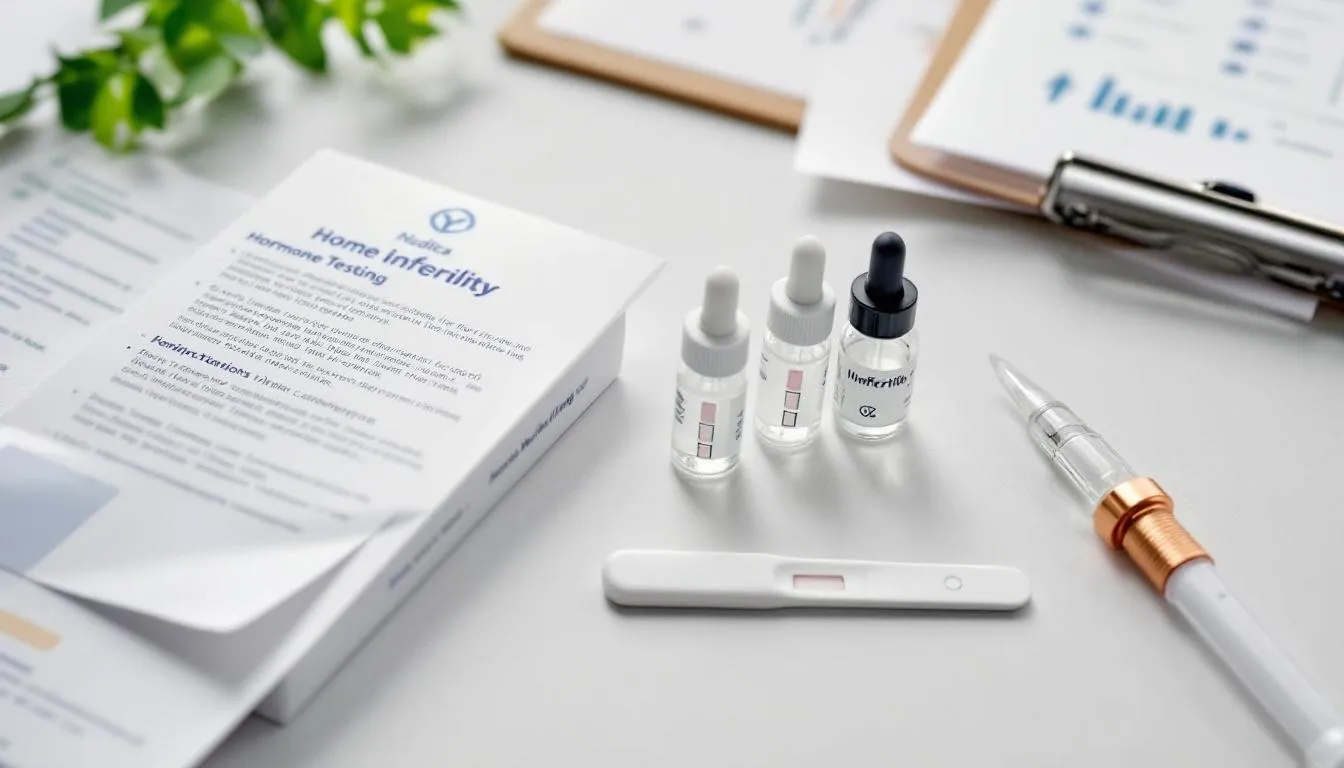
Vitamin D and Polycystic Ovarian Syndrome
Women with polycystic ovary syndrome (PCOS) often face extra challenges, and studies published by PubMed and Oxford Academia show that more than two-thirds have lower-than-optimal vitamin D levels. A recent review and meta-analysis following PRISMA guidelines further supports the role of vitamin D supplementation in improving fertility outcomes for women with PCOS.
How Vitamin D Deficiency Worsens PCOS
Low vitamin D levels in women with polycystic ovarian syndrome worsen:
- Insulin resistance and blood sugar control
- Androgen levels and hormonal imbalance
- Ovulation frequency and regularity
- Egg quality and maturation
The free androgen index is a measure that helps detect excess male hormones in women with PCOS and is linked to vitamin D levels. Similarly, sex hormone-binding globulin (SHBG), which is influenced by vitamin D, helps control these male hormones in the body.
In simpler terms, vitamin D helps keep hormone levels balanced in women with PCOS, which can improve fertility.
Many women with PCOS who are struggling to conceive see dramatic improvements when their vitamin D deficiency is corrected. Their menstrual cycles become more regular, ovulation returns, and the chances of conception increase.
In fact, a randomized clinical trial found that vitamin D supplementation improved ovulation rates by up to 40% in women with PCOS [source]. This shows that addressing vitamin D deficiency can have a real, measurable impact on fertility.
Unilab has a PCOS at home blood testing kit to assess your vitamin D and related biomarkers such as SHBG and testosterone.
Your Menstrual Cycle and Vitamin D
What happens to your menstrual cycle when you have a vitamin D deficiency?
Your menstrual cycle provides clear signs that you may be lacking vitamin D:
- Irregular periods that make tracking ovulation impossible
- Heavier or lighter bleeding than normal
- More painful cramping during menstruation
- Longer cycles with unpredictable ovulation
- Shorter luteal phases under 10 days
These cycle disruptions reduce monthly conception chances for women of reproductive age.
[source]
Who Has the Highest Risk for Vitamin D Deficiency?
Women with darker skin tones produce vitamin D more slowly from sunlight, and studies show that Black and Hispanic women have deficiency rates above 70%. [source]
Those living in northern climates also face challenges, as limited winter sunlight makes it difficult to maintain adequate vitamin D levels. If you live above the 37th parallel, you cannot produce enough vitamin D from sun exposure during the winter months. [source]
Women with a higher body mass index may store more vitamin D in fat cells, meaning higher supplementation doses are often needed to reach sufficient levels. [source]
Additionally, women with digestive conditions such as Crohn’s disease, celiac disease, or IBS may absorb less vitamin D from food and supplements, requiring closer monitoring. [source]
Together, these factors increase the risk of vitamin D deficiency and its potential impact on reproductive health. Vitamin D deficiency is also associated with an increased risk of cardiovascular disease, making it important to maintain adequate levels for overall health.
Testing Your Vitamin D Levels
You can’t always tell what your vitamin D level is just by how you feel; the only way to know for sure is through a simple blood test. Knowing your vitamin D level is important before addressing deficiency or starting supplementation, as it helps determine the right approach for your needs. Unilab at-home testing kits can be used to test your vitamin D level.
Understanding Your Results
The 25-hydroxyvitamin D test measures your circulating vitamin D levels:
- Deficient: Below 20 ng/mL
- Insufficient: 20-29 ng/mL
- Sufficient: 30-50 ng/mL
- Optimal for fertility: 50 ng/mL
Adequate vitamin D is necessary for proper phosphorus absorption, which is essential for bone health and reproductive function.
[Source]
Different levels of vitamin D, deficient, insufficient, sufficient, and optimal, can influence fertility outcomes, so it’s important to understand which category you fall into.
Fertility specialists generally recommend maintaining vitamin D levels between 40–50 ng/mL for the best chance of conception.
Be sure to test your vitamin D levels before trying to conceive, and recheck every three months until they stabilize within the optimal range.
If you’re planning to undergo assisted reproductive technology (ART), it’s especially important to have your vitamin D status checked early. Research shows that IVF outcomes improve when the deficiency is corrected before starting treatment.
Raising Your Vitamin D Levels
There are three main sources you can get vitamin D from if you struggle with deficiency: sunlight, food, and supplements.
Vitamin D is essential for calcium and phosphorus absorption, which supports bone health and overall reproductive function.

Sunlight Exposure
Spend 15-30 minutes in midday sun without sunscreen several times weekly. Sun exposure remains the most natural way to produce vitamin D.
The challenge? Most women cannot get enough sun exposure to maintain optimal vitamin D levels year-round.
Food Sources
Few foods naturally contain enough vitamin D:
- Fatty fish like wild-caught salmon, mackerel, and sardines
- Egg yolks from pastured chickens
- Mushrooms exposed to UV light
- Fortified foods including dairy products
- Orange juice with added vitamin D
Food alone rarely provides sufficient vitamin D levels for optimal fertility.
Vitamin D Supplements
Most women need vitamin D supplements to reach optimal levels. Vitamin D3 (cholecalciferol) absorbs better than D2.
Safe Supplementation Doses
- Maintenance: 2,000–4,000 IU daily
- Deficiency correction: 5,000–10,000 IU daily
- Severe vitamin D deficiency: Higher doses may be required under medical supervision to address severe vitamin D deficiency and its associated health risks.
- [Source]
Never start high-dose vitamin D without testing. Work with your doctor to find your ideal dose.
While the technical knowledge may feel overwhelming, the most important thing to remember is that vitamin D acts like a superhero for your body, keeping everything running smoothly and maintaining overall hormonal harmony.

The Vitamin D and Fertility Timeline
Raising vitamin D levels takes time.
Vitamin D treatment over several months can lead to measurable improvements in reproductive parameters, including hormone balance and egg quality.
Month 1-2
Levels begin rising with consistent supplementation. You might notice improved energy and mood first.
Month 3-4
Vitamin D reaches therapeutic ranges in most women. Hormone balance starts improving.
Menstrual cycles may become more regular. Women with polycystic ovary syndrome often see improvements during this phase.
Month 4-6
Egg quality improvements become measurable. Clinical pregnancy rates rise when vitamin D levels reach the optimal range.
Start supplementing at least three to six months before actively trying to conceive.
[Source]
Combining Vitamin D With Nutritional Supplements and Folic Acid
Vitamin D works best alongside other fertility-supporting nutrients. Including a vitamin D supplement as part of a comprehensive fertility regimen has been highlighted in clinical studies, especially for those undergoing infertility treatments.
Pair vitamin D with:
- Vitamin K2 for proper calcium metabolism
- Magnesium for vitamin D activation
- Omega-3 fatty acids found in fatty fish
- CoQ10 for egg quality
- Folic acid for DNA synthesis and fetal development
These nutritional supplements work synergistically to optimize reproductive outcomes.
Before starting any health supplements, diets, or medications consult with your healthcare professionals.
Vitamin D Deficiency Treated: Improving IVF Outcomes and Clinical Pregnancy Rates
Women undergoing IVF tend to see better results when their vitamin D levels are in the optimal range. Studies show that those with sufficient vitamin D have improved reproductive outcomes compared to women with a deficiency [source].
Women with sufficient vitamin D levels experience:
- Higher clinical pregnancy rates (52.5% vs 34.7% in insufficient women) [source]
- Improved live birth rates (42.6% vs 28.2% in deficient women) [source]
Randomized controlled trials have shown that taking vitamin D supplements before IVF can significantly improve clinical pregnancy outcomes. Reaching vitamin D sufficiency (levels above 30 ng/mL) is linked to higher IVF success rates and better overall results [source].
Vitamin D for a Healthy Pregnancy and Preventing Gestational Diabetes
It's important to keep in mind that maintaining sufficient vitamin D throughout pregnancy reduces risk factors that may lead to complications.
Women with adequate vitamin D status experience:
- Lower rates of preterm birth (observational studies show deficiency increases risk by ~37%)
- Reduced gestational diabetes risk (associated with ~20–30% lower risk)
- Better immune system support for mother and baby
- Lower risk of preeclampsia (evidence is limited and variable)
[Source]
Chronic vitamin D deficiency in pregnant women is also associated with adverse cardiovascular markers.
Gestational diabetes affects 2–10% of pregnancies. Maintaining sufficient vitamin D levels during pregnancy is associated with a reduced risk of gestational diabetes.
Many prenatal vitamins contain 400–600 IU of vitamin D, while higher supplemental doses (2,000–4,000 IU daily) have been used safely in pregnancy to achieve optimal levels.
[Source]
When to Seek Medical Help
Can vitamin D deficiency affect fertility? Yes, it can play a role, though it’s usually not the only factor.
Low vitamin D is considered a potential risk factor for fertility challenges and related reproductive health conditions.
We recommend seeing a fertility specialist if you experience these issues:
- You’ve been trying for 12 months without success (6 months if you’re over 35)
- You have irregular or absent periods
- You experience severe pelvic pain during menstruation
- You have known reproductive conditions like polycystic ovarian syndrome (PCOS)
- You’ve had multiple miscarriages
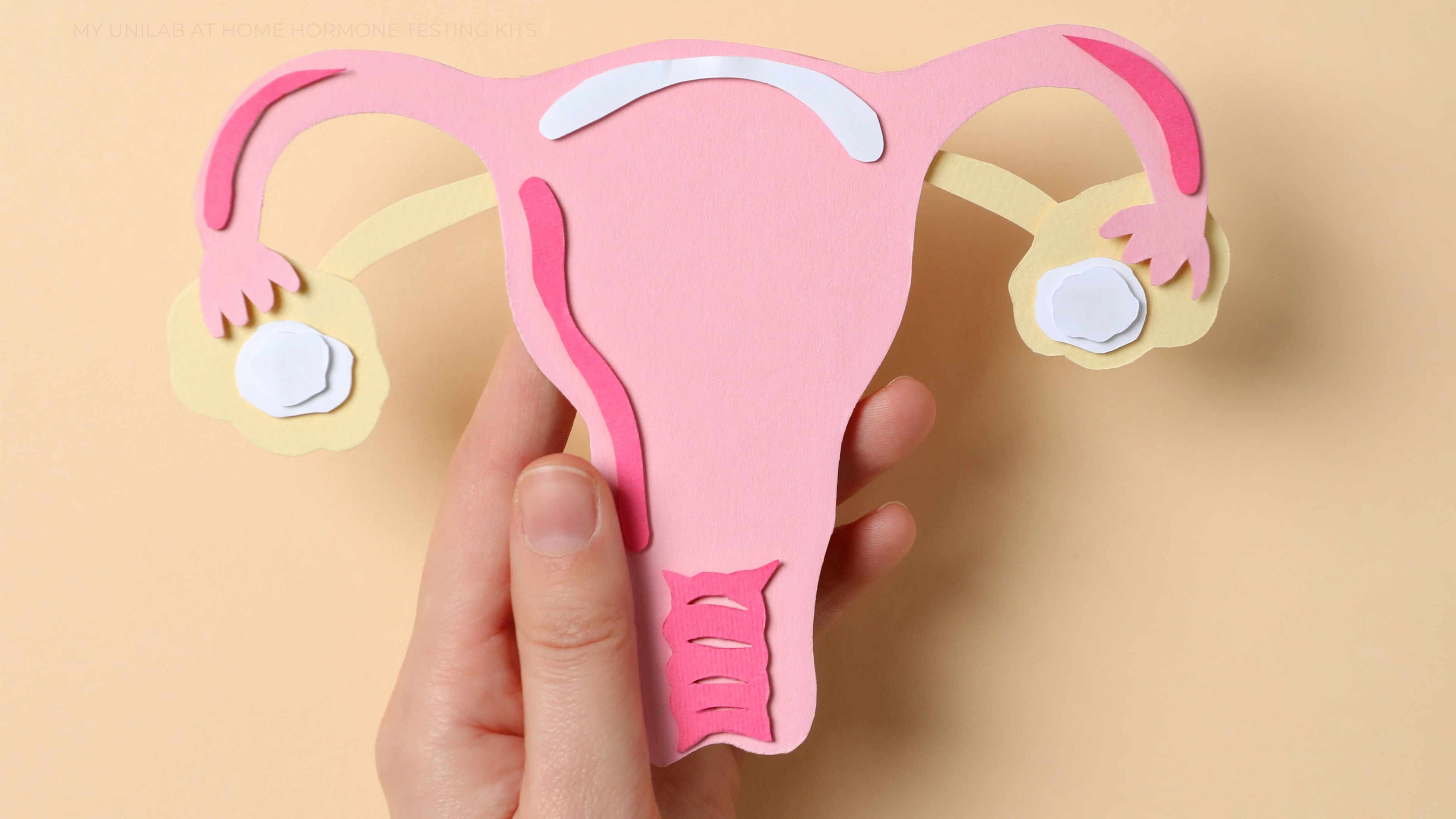
A thorough fertility evaluation should include vitamin D testing for all women of reproductive age.
If you’re planning a pregnancy, it’s best not to wait to address any vitamin D deficiency. Early attention may support higher clinical pregnancy rates and improve IVF outcomes.
Take Control of Your Fertility Health from Home With Unilab
With Unilab’s “Create Your Own Panel”, you can customize your at-home test to include key fertility biomarkers and vitamin D levels. Choose the tests that matter most to you, get accurate results, and take the first step toward understanding your reproductive health, all from the comfort of home.
We recommend our Create Your Own Panel at home blood test.
Select these biomarkers:
- Anti-Mullerian Hormone (AMH)
- Follicle Stimulating Hormone (FSH)
- Luteinizing Hormone (LH)
- Vitamin D
- Thyroid-Stimulating Hormone (TSH)
Summary: Vitamin D Deficiency Can Be Managed and Tested Easily
The link between vitamin D and fertility is stronger than many realize.
Checking your levels and addressing any deficiency is a simple, affordable step that can improve your chances of conception. This one intervention can sometimes make the difference between a negative test and a positive pregnancy.
Vitamin D, the “sunshine vitamin”, plays a vital role in female fertility, clinical pregnancy rates, and healthy pregnancy outcomes. Whether you’re trying to conceive naturally or preparing for IVF, maintaining optimal vitamin D levels gives you the best possible chance for success.
If you're wondering what your Vitamin D levels are we have testing panels that test for this. Purchase our Ovarian Reserve Panel and start your journey to informed data-backed health.
Frequently Asked Questions
Can low vitamin D really stop me from getting pregnant?
Yes. Vitamin D deficiency can affect ovulation, egg quality, and implantation which are all key factors in conception.
How do I know if I’m vitamin D deficient?
The only reliable method is a blood test called the 25-hydroxyvitamin D test. Levels below 30 ng/mL indicate insufficiency; optimal fertility levels are 40–50 ng/mL.
How long does it take to raise vitamin D levels?
Most women reach optimal levels within 3–4 months of consistent supplementation and sun exposure, though this varies by body weight and baseline deficiency.
Can vitamin D supplements improve IVF outcomes?
Yes. Studies show women with sufficient vitamin D levels have up to 34% higher clinical pregnancy rates and better embryo quality during IVF.
What’s the best form of vitamin D supplement?
Vitamin D3 (cholecalciferol) is more bioavailable and effective than vitamin D2. Combining it with vitamin K2 and magnesium enhances absorption and utilization.
Is it possible to get too much vitamin D?
Yes. Very high doses can cause toxicity. Always supplement under medical supervision, especially if taking more than 4,000 IU per day.